Easter Egg Basket Card SVG Layer 1979 – A Detailed Guide for Makers and Digital Designers
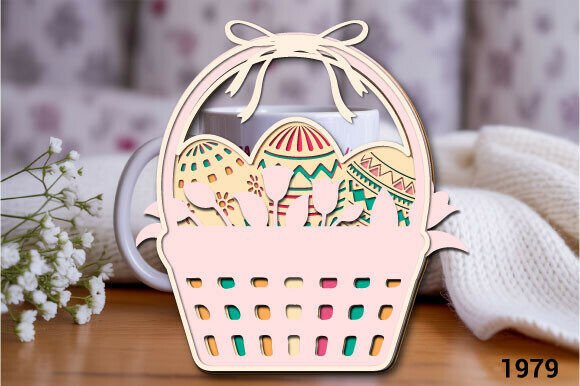
The Easter Egg Basket Card SVG Layer 1979 is a versatile digital design file that brings creative possibilities to papercrafters, digital designers, and small business owners. It’s a nine-layered greeting card template designed for Easter-themed projects, offering flexibility for both personal crafting and professional use. Whether you're preparing a handmade gift or developing printable product offerings, this SVG file provides a structured foundation that integrates easily into your workflow.
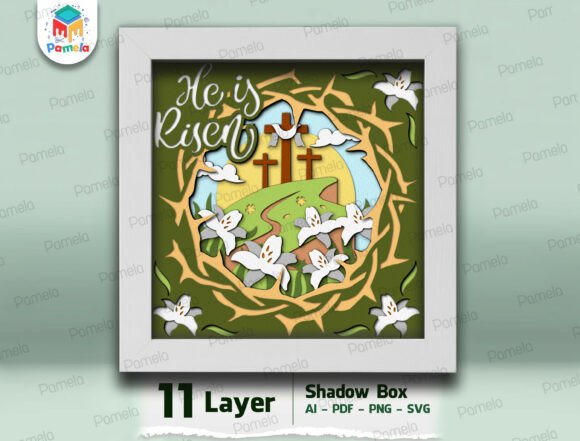
At its core, this design is a layered papercut SVG intended for use with cutting machines like Cricut or Silhouette. The nine layers allow for depth and dimension, making the final product visually engaging. It's especially effective when used in shadow box or light box displays, where the layered effect can be fully appreciated. Since the design comes with PDF instructions and no video tutorial, it’s ideal for users who prefer to work independently or have prior experience with layered SVG files.
How to Use Easter Egg Basket Card SVG Layer 1979 in Your Projects
This design works well across multiple use cases, from DIY Easter cards to digital product creation. Here are a few practical ways to incorporate it into your creative or business process:
- Handmade Greeting Cards: Use the SVG to cut out intricate Easter-themed cards for friends and family. The nine layers allow for a 3D effect that stands out compared to flat designs.
- Printable Product Offering: If you sell digital designs on platforms like Etsy or Creative Market, this file can be bundled and sold as an instantly downloadable Easter card template.
- Shadow Box Art: Layer the cut pieces into a shadow box frame to create a decorative Easter display. This is especially effective when backlit in a light box.
- Classroom or Workshop Projects: Educators and craft instructors can integrate this design into lesson plans or crafting workshops to teach layering techniques.
File Types and Compatibility
The Easter Egg Basket Card SVG Layer 1979 package includes multiple file formats: EPS, PDF, SVG, PNG, and DXF, all delivered in a compressed ZIP folder. This ensures compatibility with various design software and cutting machines. Here’s a breakdown of how each file type can be used:
- SVG: Ideal for use with Cricut, Silhouette, and other cutting machines. Scalable without loss of quality, perfect for precise cuts.
- PNG: Useful for previewing the final design or for digital use in design software like Canva or Photoshop.
- PDF: Contains detailed layering instructions and can be printed for reference during assembly.
- EPS: A vector format compatible with Adobe Illustrator and other professional design software.
- DXF: Suitable for CAD software and laser cutting applications.
Since no physical items are shipped, users can download and begin working immediately. However, it’s important to test the design in your preferred software before full-scale production to ensure compatibility and proper layer alignment.
Integration into Creative and Business Workflows
Whether you're a hobbyist or a small business owner, integrating the Easter Egg Basket Card SVG Layer 1979 into your workflow requires planning and organization. Here’s how it can fit into different stages of your creative or production process:
- Preparation: Review the PDF instructions and preview the PNG file to understand how the layers align. This helps avoid confusion during the cutting and assembly stages.
- Design Phase: Import the SVG into your design software to adjust colors, layer order, or size before cutting. This is especially useful if you're customizing the design for a specific project or client.
- Production: Use the SVG or DXF file to cut the pieces on cardstock or vinyl. Ensure your cutting machine settings are calibrated for the material you're using.
- Assembly: Follow the layering guide in the PDF to build the card or shadow box. Keep your workspace organized to avoid mixing up layers.
- Sales or Distribution: If you're reselling the design or offering it as a printable, bundle the file types clearly and provide simple instructions for customers.
Practical Tips for Best Results
To get the most out of the Easter Egg Basket Card SVG Layer 1979, consider the following practical tips:
- Test with Scrap Material: Before cutting your final cardstock, run a test cut on scrap paper to ensure alignment and cut quality.
- Use High-Quality Paper: For best results, use 160–220gsm cardstock to maintain structure and prevent warping.
- Label Layers: When cutting multiple layers, label them as you go to avoid confusion during assembly.
- Group Layers by Section: Organize cut pieces by layer group to streamline the building process.
- Store Files Properly: Save the ZIP folder in a dedicated design folder and extract each file type into labeled subfolders for easy access.
Quality Control and Long-Term Use
Because this is a digital product, quality control primarily involves ensuring the file integrity and accurate layer alignment. Always verify that all layers are present and properly labeled in your design software. If you're using this design regularly—such as for seasonal product lines or classroom activities—consider creating a template file that includes your preferred settings and layer order.
For long-term use, keep a backup of the original ZIP file in case you need to re-download or share the design. If you're a digital product seller, include a version history or update log to track any modifications you make to the design for resale or customization.
Conclusion: A Flexible Tool for Digital and Physical Crafting
The Easter Egg Basket Card SVG Layer 1979 is more than just a holiday design—it's a flexible tool that bridges digital design and physical crafting. Whether you're making a personalized Easter card or expanding your digital product catalog, this layered SVG offers a structured yet customizable solution. Its compatibility with multiple file formats and cutting machines makes it accessible to a wide range of users, from beginners to professionals.
By integrating this design into your creative process with thoughtful preparation and organization, you can streamline production, enhance visual appeal, and deliver high-quality results. As with any digital asset, understanding how it fits into your broader workflow ensures that it remains a valuable resource year after year.