Elegant Packaging Solutions with the Folding Box with Scalloped Lid
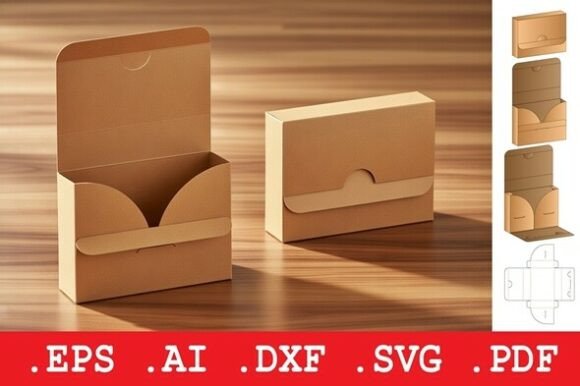
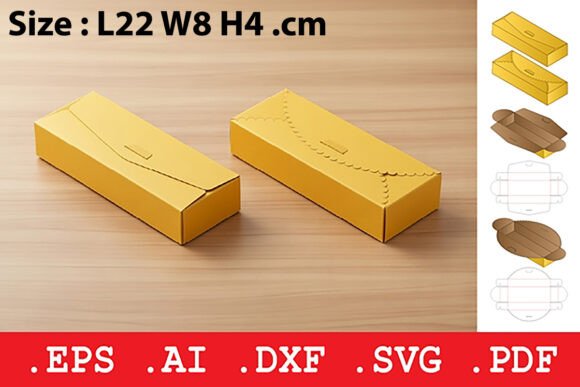
The Folding Box with Scalloped Lid is a versatile packaging template designed to meet the demands of both aesthetic presentation and functional durability. This tapered rectangular box features a secure folding lid and integrated side flaps that create a stable, adhesive-free closure. Ideal for a wide range of applications, this design is particularly well-suited for boutique branding, product packaging, and custom gifting. Whether you're a small business owner, a creative professional, or an entrepreneur launching a new product line, understanding how to incorporate this packaging solution into your workflow can enhance both your process and your final presentation.
Understanding the Design Elements
At its core, the Folding Box with Scalloped Lid combines structural integrity with visual appeal. The tapered rectangular shape provides a sleek silhouette, while the scalloped lid adds a decorative touch that differentiates it from standard folding boxes. The integrated side flaps are engineered to interlock without the need for adhesive, ensuring a secure closure while maintaining ease of assembly. This design is optimized for use with 180–350 gsm paper stock, striking a balance between flexibility for folding and strength for durability.
Material Compatibility and Structural Benefits
Choosing the right material is crucial when working with this template. The recommended 180–350 gsm paper range ensures that the box maintains its shape without being overly rigid. Thicker stock offers a premium feel, making it ideal for luxury packaging, while lighter weights are more suited for cost-effective, high-volume production. The reinforced front locking mechanism adds structural stability, ensuring the box remains intact during shipping and handling while preserving its clean, professional appearance.
Integration into Product Packaging Workflows
For product designers and packaging professionals, the Folding Box with Scalloped Lid can be a valuable asset in both the planning and execution phases of a project. Before production begins, the design can be tested using digital mockups or sample prints to ensure that branding elements align correctly with the box’s structure. During production, the included file formats—DXF, SVG, EPS, PDF, and AI—allow for seamless integration with a variety of cutting and printing technologies, from laser cutters to industrial printing presses.
Preparing for Production
Preparation is key to ensuring smooth implementation. Begin by reviewing the provided vector files to confirm that your design elements—such as logos, patterns, or text—fit within the designated print areas. Use the AI file for full customization, or work directly with the PDF for print-ready output. If you're using digital cutting tools, the SVG and DXF files are compatible with most craft cutters and CNC machines, allowing for precise, repeatable cuts.
Use Cases Across Industries
This packaging solution is highly adaptable, making it suitable for a wide range of industries. Here are a few practical applications:
- Stationery Brands – Ideal for packaging notebooks, greeting cards, or luxury pens with a refined presentation.
- Retail Gift Items – Perfect for boutique gift boxes, personalized packaging, or limited-edition product releases.
- Small Electronics – Offers secure, lightweight packaging for USB drives, earbuds, or wearable tech accessories.
- Educational Materials – Can be used for boxed learning kits, flashcards, or creative activity sets.
Each of these use cases benefits from the box’s combination of durability and aesthetic appeal, reinforcing brand identity while ensuring product protection.
Workflow Integration for Designers and Marketers
For designers and marketers, the Folding Box with Scalloped Lid can fit seamlessly into broader branding and packaging strategies. When planning a product launch, consider incorporating this box design early in the concept phase to ensure that packaging complements the overall brand aesthetic. Use the provided templates to create mockups for client presentations or internal reviews. Once approved, transition to production by exporting the final design files to your print or manufacturing partner.
Practical Assembly Tips
While the design eliminates the need for adhesive, proper assembly is still essential for a professional finish. Here are a few tips to ensure smooth assembly:
- Score Before Folding – Use a scoring tool or scoring rule during printing to make clean, precise folds.
- Test Fit Before Mass Production – Assemble a few sample boxes to check for fit and alignment before committing to a full print run.
- Batch Assembly for Efficiency – Fold and assemble boxes in batches to streamline packaging operations, especially for e-commerce or fulfillment workflows.
Long-Term Usability and Brand Consistency
One of the advantages of this folding box design is its scalability and reusability across different product lines. Once you’ve established a successful packaging format, maintaining consistency becomes easier. Store the original AI file in your brand asset library for future modifications. This ensures that any future packaging variations retain the same structural and visual integrity, reinforcing brand recognition over time.
Quality Control and Customer Experience
From a customer experience perspective, packaging plays a critical role in shaping first impressions. A well-constructed box with a secure closure and clean finish contributes to a positive unboxing experience. To maintain quality, perform regular checks on print alignment, paper thickness, and assembly accuracy. If outsourcing production, request sample boxes before approving large orders to ensure the final product meets your standards.
Conclusion: A Packaging Solution Built for Real-World Use
The Folding Box with Scalloped Lid isn’t just a packaging template—it’s a practical tool that supports branding, enhances product presentation, and streamlines production. Whether you're packaging a new product line, preparing custom gifts, or designing promotional materials, this box offers a balance of form and function that fits naturally into creative and business workflows. By understanding its design features, preparing effectively for production, and integrating it into your broader packaging strategy, you can ensure that your final product delivers both visual appeal and lasting quality.