Texture Roller STL – Rose Leafs: Elevate Your Polymer Clay Projects
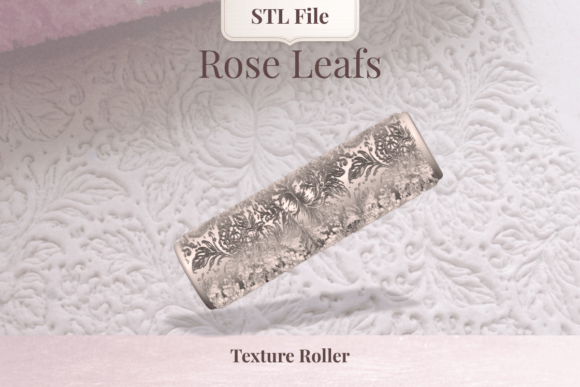
Creating intricate, professional textures in polymer clay doesn't have to be complicated. The Texture Roller STL – Rose Leafs is a custom-designed 3D printable tool that brings elegance and consistency to your clay work. Whether you're crafting earrings, pendants, or decorative pieces, this roller helps you imprint a crisp, botanical pattern with minimal effort and maximum impact.
Measuring 70 mm in height and approximately 20 mm in diameter, this compact roller is built for precision. Its size allows for even pressure distribution, ensuring your patterns remain consistent across surfaces. Designed primarily for resin 3D printing, the roller delivers ultra-detailed results. However, it’s also compatible with FDM printers—just remember to use a brim for better adhesion and print quality.
Why This Texture Roller Stands Out
The Texture Roller STL – Rose Leafs isn't just another tool—it's a versatile asset for polymer clay artists and jewelry makers who want to add a signature touch to their work. Here’s what makes it special:
- High-detail pattern: The rose leaf design brings a natural, elegant texture that enhances any clay surface.
- Consistent results: Its cylindrical design ensures even pressure and repeatable patterns across your projects.
- Print flexibility: Whether you use resin or FDM printing, this STL file adapts to your setup with minimal adjustments.
- User-friendly size: Compact enough for fine details, yet substantial enough for broader surfaces like pendant backs or bezel settings.
Creative Applications for the Rose Leaf Texture Roller
Once printed and cured, the roller becomes a reusable tool that opens the door to countless creative possibilities. Here are some ways to incorporate it into your workflow:
1. Polymer Clay Jewelry
Texture is key in jewelry design, especially when aiming for a handmade yet polished look. Use the roller to add botanical detail to:
- Earrings (especially dangle and stud styles)
- Pendants and locket fronts
- Bezels for resin or stone inlays
Pair the rose leaf pattern with metallic finishes or simple matte glazes to highlight the depth of the texture.
2. Decorative Clay Pieces
Expand beyond jewelry by applying the roller to small sculptures, box lids, or ornamental tiles. The pattern adds a vintage or nature-inspired aesthetic that works well in mixed-media art or home decor.
3. Custom Molds
Press the roller into soft clay to create a master pattern, then make silicone molds from it. These molds can be used repeatedly with different materials, from polymer clay to epoxy resin, offering flexibility in your product line or craft offerings.
4. Surface Contrast Techniques
Enhance the visual impact of the rose leaf pattern by using techniques like:
- Antiquing with ink or chalk to emphasize recessed areas
- Sanding the surface lightly to reveal raised textures
- Layering translucent clays over a textured base for depth
Who Can Benefit from This Tool
The Texture Roller STL – Rose Leafs serves a variety of creators, each with their own unique goals:
Polymer Clay Artists
For those focused on polymer clay, this roller is a time-saving alternative to hand-carving. It allows you to maintain a cohesive style across multiple pieces, especially useful when creating collections or preparing for markets.
Jewelry Makers
Whether you're a hobbyist or a small business owner, adding texture elevates your designs. Use this roller to differentiate your brand with a signature botanical motif that customers can recognize and remember.
Creative Studios and Educators
Art studios and educators can integrate this tool into beginner and advanced polymer clay classes. It introduces students to texture application, 3D printing, and creative reuse of tools in a tactile, engaging way.
Online Creators and Bloggers
If you share DIY content or tutorials online, this roller can be the centerpiece of a textured jewelry series or a resource post about printable tools. Including downloadable files or project ideas can increase engagement and shares.
Printing Tips for Best Results
To get the most out of the Texture Roller STL – Rose Leafs, follow these practical printing recommendations:
For Resin Printers
Resin printing is ideal for capturing the fine details of the rose leaf pattern. Use standard high-detail settings and ensure supports are enabled for the roller’s internal structure. Post-processing steps like washing and curing are essential for durability and smooth handling.
For FDM Printers
While FDM may not offer the same level of detail, it’s still a viable option—especially if resin printing isn’t accessible. To improve print quality:
- Use a brim to prevent warping and improve bed adhesion
- Select a fine nozzle (0.2 mm or smaller) for better resolution
- Print at slower speeds (30–40 mm/s) to maintain pattern clarity
Consider sanding or smoothing the printed roller for a more uniform texture transfer.
Designing with Purpose and Consistency
When using the Texture Roller STL – Rose Leafs, consistency in your application can make a big difference in the final look of your pieces. Here are a few tips to maintain quality across your work:
- Roll in a single, smooth motion to avoid overlapping or distortion
- Use a clay thickness guide or pasta machine setting to ensure uniform clay slabs
- Keep your roller clean and store it in a dry place to prevent warping or damage
By integrating the roller into a repeatable process, you can create cohesive collections or custom sets that feel intentional and professional.
Final Thoughts
The Texture Roller STL – Rose Leafs is more than just a downloadable file—it's a creative catalyst. Whether you're a jewelry maker, polymer clay artist, educator, or digital creator, this tool empowers you to add refined, nature-inspired texture to your work with ease. By combining 3D printing technology with traditional crafting techniques, you open up a world of possibilities that are both practical and expressive.